As rates climb globally, Eye Care for Kids provides families a clinically validated option to protect children’s long-term vision
Melbourne, VIC – A Melbourne optometry practice focused on children’s vision is helping local families address one of the fastest-growing paediatric health concerns: myopia, or short-sightedness, which is progressing in children at rates researchers now describe as epidemic.
Eye Care for Kids, with clinics in Narre Warren and Caulfield, offers MiYOSMART lenses as part of its approach to myopia control for children. Clinical trials have demonstrated that MiYOSMART lenses can slow myopia progression by up to 60 percent compared to standard single-vision lenses.
Myopia occurs when the eye grows too long, causing distant objects to appear blurred. Left unmanaged in childhood, it typically worsens as children develop, increasing the risk of serious complications in later life including retinal detachment, glaucoma, and cataracts. Global research projects that by 2050, nearly half the world’s population will be affected by myopia.
Marvin Janet, optometrist at Eye Care for Kids with over 20 years of experience in paediatric and behavioural optometry, says the condition is being detected at younger ages than previous generations.
MiYOSMART lenses use Defocus Incorporated Multiple Segments (DIMS) technology, which simultaneously corrects distance vision and creates a controlled defocus effect that slows the physical elongation of the eye responsible for worsening myopia. The original clinical trials involved children aged eight to 13, with more recent studies demonstrating efficacy in children as young as four.
Eye Care for Kids conducts a full assessment before recommending myopia control options. Unlike a standard school vision screening or general eye test, this assessment examines how a child’s visual system is functioning overall, not only how clearly they can see a chart.
Families in Melbourne’s south-east can book a children’s eye assessment at either the Narre Warren or Caulfield clinic through the practice website.
About Eye Care for Kids
Eye Care for Kids is a Melbourne optometry practice specialising in children’s vision, with clinics in Narre Warren and Caulfield. Led by Marvin Janet, an optometrist with over 20 years of experience in paediatric and behavioural optometry, the practice provides comprehensive eye assessments for children, vision therapy, myopia control, and specialist frame fitting including Tomato Glasses.
Balwyn dentist uses 3D imaging to design full-arch implant plans around each patient’s jaw – placing five to eight implants based on bone structure rather than following a fixed four-implant formula
BALWYN, VIC – May 2026 – All-on-4 dental implants are among the most heavily marketed dental procedures in Australia. The system – which uses four titanium implants in fixed positions to support a full arch of replacement teeth – has been used successfully worldwide for over two decades. But the same standardised design that makes it efficient also means it was engineered for the average jaw, not every jaw.
Dr Steven Rostkier, who has practised restorative and implant dentistry in Balwyn for over 25 years, takes a different approach. Rather than starting with a fixed protocol, he begins with 3D CBCT imaging of the patient’s jaw and designs each plan from the scan outward.
“All-on-4 is a well-validated system – I’m not dismissing it,” Dr Rostkier said. “But four implants in fixed positions is a template, and not every jaw fits the same template. When I look at a patient’s 3D scan and the bone density varies significantly across the arch, I’d rather place implants where the bone actually supports them than force a standardised layout.”
Why implant count matters for longevity
The clinical reasoning centres on load distribution. Four implants concentrate every bite force on four contact points. Published research reports implant failure rates of approximately 5-10% over a 10-year period, with excessive mechanical stress on individual implants identified as a contributing factor.
For patients with bruxism, uneven bone density, or asymmetrical jaw structure, that concentration of force becomes a long-term risk. A plan using six or eight implants spreads the same bite force across more anchor points, reducing the mechanical load on each implant and the surrounding bone.
The trade-off is cost and complexity. All-on-4 treatment in Melbourne typically ranges from $23,000 to $30,000 per arch. Customised plans with additional implants generally fall between $25,000 and $45,000 or more depending on case complexity. For patients whose anatomy suits the four-implant template – moderate, uniform bone loss and no heavy grinding – All-on-4 delivers strong results at a lower price point.
A two-specialist model
Full-arch implant treatment at the practice involves a collaborative approach: a specialist periodontist performs the surgical placement, while Dr Rostkier handles treatment planning, 3D imaging, case design, and the final prosthesis. This means each stage is managed by the clinician most qualified for that specific part of the process.
About Dr Steven Rostkier
Dr Steven Rostkier (BDSc, University of Melbourne, 1999) has operated his dental practice in Balwyn, Victoria, for over 25 years. The practice offers general, restorative, and cosmetic dentistry, and was one of the first in Victoria to establish a dedicated dental hygiene department – now in its 30th year of operation. Dr Rostkier is a member of the Australian Dental Association and is registered with AHPRA.
Dianetics volunteers take to the streets across Australia as part of worldwide outreach in 50 countries
SYDNEY, NSW—24 March 2026—Three months into 2026, right when research shows most New Year’s resolutions collapse, volunteers from the Hubbard Dianetics Foundation offer something most mental health campaigns don’t: a practical solution.
At the start of March, teams in Sydney, Melbourne, Perth, Adelaide, Canberra and Brisbane took to the beaches, neighbourhoods and city centres in their distinctive red Dianetics gear, offering free stress tests and the book Dianetics: The Modern Science of Mental Health by L. Ron Hubbard to thousands of local residents. In Sydney, the campaign drew attention with a horse-drawn carriage moving through the CBD, designed to get passersby to pause, look up from their phones and consider doing something new about their mental health.
The timing was intentional. International research from Forbes Health found that the average resolution lasts just 3–4 months. For Australian volunteers, March was the right moment to meet people at a crossroads.
“I know so many people are out there suffering, and they need to know they don’t have to,” said Hubert Manfred, one of the Sydney volunteers who shared his own story. Before reading Dianetics, he had experienced nightmares and panic attacks since childhood. “I found the reasons for the trauma from my past that had affected me even in the present. I feel alive again now.”
Spokesperson Churlya Wurfel described the campaign’s mission simply: “to meet people where they are, and remind them that the rest of 2026 is still theirs.”
The Australian outreach was part of a coordinated global effort across 50 countries and more than 250 cities—all carrying the same message.
At the centre of that message is the book that has sold more than 22 million copies worldwide. The word Dianetics comes from the Greek dia (through) and nous (mind or soul)—what the mind is doing to the body. Now in its 75th year, the technology identifies the single source of stress, anxiety and unwanted emotions, and gives readers practical tools to address them.
For those who missed the street outreach, the opportunity hasn’t passed. Dianetics Seminars are held weekly across Australia with centres in every major city, offering a starting point for anyone ready to take control of their mental health.
If you have recently been horrified by a clump of hair in the shower drain or wondered why your hairline appears to be receding more rapidly than a toddler fleeing bedtime, relax. You are not alone. Postpartum hair loss—or “the great shed,” as it seems to be a more fitting term—is one of those initiatory rites of motherhood that no one tells you about until you are in the thick of it.
It normally begins about three months after the birth of your baby, just when you are starting to think you are becoming familiar with your new routine. All at once, your rich pregnancy hair is springing up everywhere: on your pillow, in the baby’s hands, and entangling itself in the carpet. It is frightening, yet quite normal. The great dilemma is: are you going to tackle lifestyle changes from the inside out, or go directly to bottles and serums for topical care?
Let us deconstruct each of these so you can determine where to put your limited energy.
Knowing the “Why” of the Shed
It helps to have an idea of what is going on before we look at solutions. When you were pregnant, high levels of estrogen kept your hair in a continued growing phase. You were not losing the normal 50-100 hairs per day, which is why your mane remained so thick and shiny.
However, once your baby is born and your hormones return to their normal pre-pregnancy levels, all that additional hair enters the shedding phase at the same time. It is a hormonal reset, not permanent hair loss. Although you cannot prevent the hormones from doing their work, you can do your best to help your body and scalp cope with the process.
The Case for Lifestyle Changes: The Inside-Out Approach
The reality is that your body has just done a marathon job growing a human being, and now it is recovering and perhaps feeding that small human. It is logical that you need to protect the front line internally.
Fueling Your Follicles
When your body is drained, the first thing to suffer is your hair. Your body’s survival mechanisms see hair as non-essential; hence, it directs nutrients to vital organs (and breast milk) first. A diet high in nutrients is perhaps the most effective lifestyle change you can implement. You want to prioritize:
Iron: Postpartum anemia is frequent and a significant cause of hair thinning. Here, your best friends are leafy greens and lean meats.
Protein: Hair is composed of a protein known as Keratin. If you are not eating enough protein, your hair becomes weak.
Hydration: This may sound simple, but water is essential for cell turnover, even for hair follicles.
Stress and Wellness
We understand that it feels like a sadistic joke to advise a new mom not to stress. Nevertheless, shedding can be worsened by high cortisol levels. This is where you need to look beyond just diet and sleep. A lot of mothers have managed to cope by adopting holistic therapies. This does not necessarily involve booking costly retreats; it can be as little as five minutes of deep breathing, acupuncture to get your energy flowing in the right direction, or even a simple scalp massage to reduce tension and stimulate blood flow. It is important to treat your entire body as a system, not just a symptom.
The Verdict on Lifestyle: It forms the basis. A nutritional deficit cannot be solved with a costly shampoo.
The Defense of Topical Care: The Outside-In Approach
Whereas lifestyle adjustments replenish your stores, topical treatment is damage control. Your hair is weaker right now, and you want to keep as much of it on your head as long as you can.
Rethinking Your Routine
Tight ponytails and heat styling do not belong here right now. The “mom bun” may be functional, but the strain can break hairlines that are already weak.
Switch Shampoos: Find volumizing formulas instead of heavy, moisturizing options that weigh thinning hair down, exposing gaps in the scalp.
Be Gentle: When wet, your hair is weaker. Use a wide-toothed comb or a soft-bristle brush, and begin at the ends and work your way up.
Silk Pillowcases: Fight friction. A satin or silk pillowcase will keep your hair flowing and prevent tangles while you sleep.
Exploring New Treatments
In case you are seeking a more direct treatment, you may come across some unusual trends. “Milk hair therapy” is one that has been popular in natural parenting circles. Yes, we are talking about breast milk. Since breast milk is full of fats, proteins, and lauric acid, some mothers apply it directly onto the head to calm inflammation and feed the hair follicles. Although this appears odd, the antibodies and nutrients that feed your baby can theoretically provide similar conditioning effects to your scalp. It is a free and natural topical agent that others swear by for both cradle cap and postpartum scalp care.
The Verdict on Topical Care: It is your shield. It prevents split ends and makes existing hair appear fuller and healthier.
So, What Should You Try First?
If you only have the mental bandwidth to do one thing at a time, begin with lifestyle changes—specifically, your food and nutritional supplements. The cause of the shed is your hormones, and you have no power to control them; but by feeding your body, you are providing your hair with the best opportunity to grow once the shedding period has stopped.
Nevertheless, the most appropriate approach is a combination:
Immediate Action: Undo that ponytail and switch to a gentle shampoo (Topical).
Daily Habit: Take prenatal vitamins and pay attention to protein and iron intake (Lifestyle).
Self-Care: When you have time, try a scalp massage or natural remedies to calm your skin (Both).
Conclusion
Hair loss after childbirth is irritating, messy, and can be a blow to your self-esteem, but it is temporary. Your hair will grow back. Whether you concentrate on feeding your body with a steak and spinach salad, or decide to rinse your scalp with breast milk, be patient with yourself. You’re doing a great job.
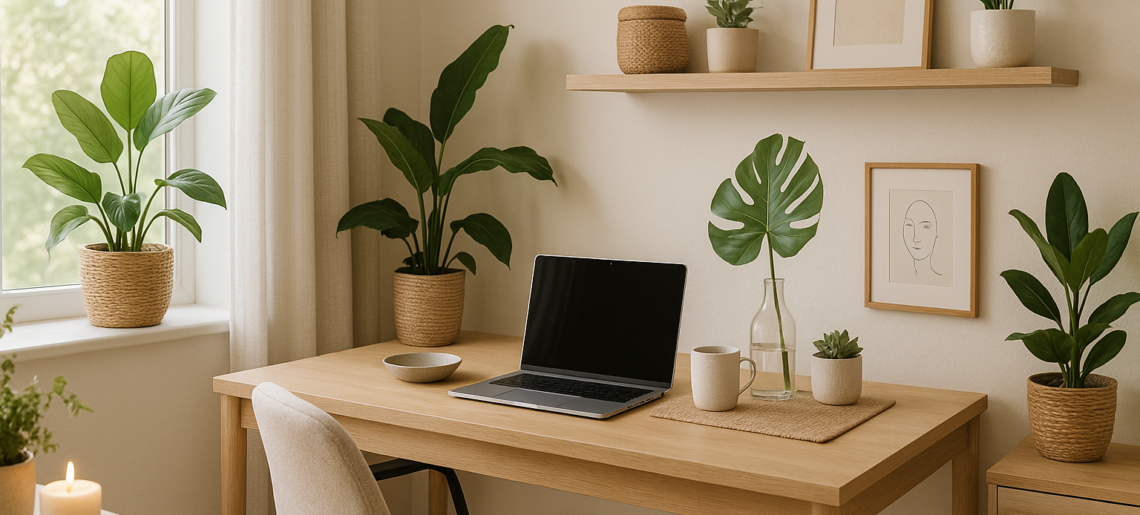
The shift to remote working has fundamentally altered the dynamic of Australians’ everyday existence. With the home being an office too, how the environment influences our well-being has become more apparent. A well-designed home office is no longer a luxury but a necessity—it is one of the secrets to staying mentally sharp, healthy, and productive daily.
Let’s observe the essential components of a wellness-focused home work environment and consider how small things add up to overall wellness.
The Connection Between Space and State of Mind
A disorganised or uninviting space can drain energy and concentration. Conversely, a space that promotes light, order, and comfort can foster greater concentration and emotional harmony. The physical layout of a home office should support a sense of ease and functionality.
Natural light is also an important consideration. Natural sunlight exposure supports the regulation of circadian rhythms and enhancing mood. A workspace should face a window or utilise daylight-simulating light solutions where feasible. Desk location will also influence your posture and engagement with tasks—ideally, it should promote neutral wrist postures, a well-aligned spine, and clear sight of your monitor.
Well-designed and well-placed plants are air-purifying and offer the added benefit of psychological charm. The same is true for wall art decor accents that offer character and style to the space without overloading the senses. Artwork that includes colors that are calming and abstract forms will be much appreciated in any wellness-oriented workspace, as it has been proved to reduce stress and enhance feelings of calm.
Ergonomics and Movement
Ergonomic chairs are the biggest investment for a home office. Sitting for long hours can stress the lower back, neck, and shoulders. Chairs with proper lumbar support, adjustable arm rests, and proper ventilation can go a long way in getting you relieved after long hours of work.
Also, move around some during the day. Stretching the body or taking a short walk in between meetings diminishes stiffness and improves circulation. Standing workstations or risers for convertible desks will let desk workers change position throughout the day, thus benefitting physical health.
Adding your workspace arrangement to a morning stretching or breathing exercise routine will welcome the day to begin on a healthier foundation. As discussed in this guide, creating small but routine rituals can be found to go a long way in creating well-being in the broad sense.
Sensory Elements and Mental Health
Sound, smell, and sight all play a part in our perception of a room. Soft background music or nature sounds can improve concentration, and eucalyptus or lavender scents can stimulate the senses and enhance mental acuity.
Making your office personalised with meaningful pictures can give a feeling of comfort on an emotional level. Placing photographs, vision boards, or touch items such as linen pinboards inside frames permit visual inspiration. It is also a matter of simplicity—clutter must be eliminated to permit focus on the work without sensory overload.
Mental health is also directly related to the way we perceive and experience the world that we live in. For lone workers, building warmth in the workplace would also combat loneliness.
Special Challenges Facing Remote Workers
Flexible as it is, telecommuting is also usually an all-day activity that can blur the line between work and leisure. Over time, this can lead to longer working hours and burnout. Certain distinctions—such as designated working hours, designated work areas, and digital detox hours—can be useful.
This balance is particularly required for individuals with high-focus jobs. Accounting professionals, for instance, will likely require high levels of concentration for extended periods of time. Without the natural breaks and cues of an office environment, home work can become mentally exhausting. A self-regulated system that prioritises well-being—such as ergonomic chairs, frequent water breaks, and the occasional screen break—can reduce eye straining and stress levels.
Encouraging Well-being through Design
Though layout and furniture are included under wellness, so are colour and texture. Calming colours for the nervous system are pale greys, off-whites, and muted greens. Mixing these with timber, linen, or cork textures can be comforting without visual mayhem.
Diffused task lighting should be positioned in a way that does not produce harsh shadows or screen glare. Proper lighting prevents eye strain and enhances productivity. Many Australians working from home have bought desk lamps that are capable of adjusting colour temperature to mimic natural light conditions and provide a healthy cycle.
The incorporation of biophilic design features—wood tones, natural scenery, or organic shapes—also increases mental clarity and health. As Better Health Channel suggests, even indirect exposure to nature acts to reduce stress and improve mood, which should be a key principle in home office design.
Long-Term Health Habits
The workplace that we create to work in influences not only how we feel in the short term but also how we are in the long term. Individually, over the course of months or years, poor posture, limited mobility, and inadequate mental breaks may cause long-term health issues. A well-being-centered workplace, on the other hand, can mitigate those risks and allow sustainable performance.
It doesn’t take a gut renovation to create this kind of space. Intentional decisions—comfortable seating, balanced lighting, and even something as basic as framed wall art—can affect how we interact with our work on a daily basis. By creating an environment that considers health as much as functionality, remote workers can feel greater productivity as well as enhanced personal wellness.
Mornings set the day’s pace. A carefully planned, health-conscious morning not only makes you more productive but contributes to long-term wellness. But it’s difficult for most to stick to a routine for themselves—too rigid, too idealised, or just not fulfilling personal needs. Building a health-conscious morning routine doesn’t require you to overhaul your life. It only requires deliberate habits, small changes, and some planning.
Begin with a Sleep-Friendly Night
A good morning begins the night before. If you don’t sleep well, no amount of planning can save you. Make sure your sleeping time will get you 7–9 hours of sleep, and stay away from screens one hour before bedtime. Exposure to blue light can change the timing of when you release melatonin and disrupt your body’s natural sleep-wake cycle.
Sleep hygiene also means having your bed quiet, cool, and dark. A white noise machine or sleep mask is useful for some people. Bed and wake-up time must be the same every day, even on weekends, in order to manage your internal clock.
Hydrate Before Anything Else
When you wake up, resist the temptation to scroll or dive into activities. Begin with water. Your body loses water during sleep, making you drowsy, giving you headaches, and less alert. Squeezing lemon juice into water is your choice but helps digest and taste without doing much.
It is also good to hydrate prior to consuming coffee since caffeine is a diuretic. Hydrating your body in the first hour of the morning boosts focus, circulation, and level of energy throughout the day.
Move Your Body
Physical activity is a key part of a health-first morning. It gets the blood circulating, releases feel-good endorphins, and boosts the metabolism. You don’t need to plunge into a 60-minute work-out routine in order to get the benefits—10 minutes of stretching, walking, or bodyweight exercises is a great place to start.
For those who need more discipline, incorporating morning exercises can work wonders. Besides being good for one’s body, they can also instill discipline and reduce stress levels.
Prioritise Mental Clarity
Mental health is just as important as physical health. Ground your mind for a few minutes before the day starts. This could be meditation, deep breathing, journaling, or sitting in silence with a cup of tea.
Having custom notepads with one’s own handwriting can be an easy way of thinking, jotting down things to do, or being grateful. In comparison to computer software, handwriting is more personal and spontaneous, which can be equated with better emotional regulation and goal-setting.
A morning should be as conducive to mental calm as it is to action. You might find it helpful to limit your consumption of news or of social media for the first hour of your day in an effort to avoid being overwhelmed.
Eat With Purpose
Breakfast remains a fundamental part of a good morning. Your goal isn’t to eat a massive meal, but to provide your body with some sustenance in the form of something healthy and nutritious. Choose whole foods—such as oats, eggs, fruits, yoghurt, or smoothies—that have a combination of protein, fibre, and healthy fats.
Steer clear of carb-heavy or heavy foods that cause your blood sugar to spike only to crash by mid-morning. We all have varying nutritional needs, so play around and figure out what works for you. Meal prepping or even prepping the ingredients the night before can prevent decision fatigue and get your morning going more smoothly.
Prepare Your Environment
Your environment around you affects your mind. Having your house clean brings your thoughts together and calms your mind. Keep your kitchen, bathroom, and bedroom clean and tidy. This makes cooking breakfast easy, finding your clothes effortless, or finishing your skincare routine without mess.
If you have items like a blow dryer or styling creams, having them at hand but organised will speed up the process without undue stress. Plain storage bins or divider trays are miracle workers at keeping things in order.
Consider your environment as reminders that reinforce your habit. A made bed marks the start of the day, and sunlight entering through an open window gently awakens your body to wake up naturally.
Avoid Decision Fatigue
Too many choices at the beginning of the day will drain mental energy quickly. Simplify your mornings by minimising the amount of decisions you need to make. This may mean preparing outfits in advance, having a fixed breakfast menu, or batching activities like reading email later.
A consistent pattern of activity can establish a rhythm and, as a result, enable your brain to get through tasks in a more efficient manner. It doesn’t imply that every morning need be the same, but it is beneficial to have an established routine to fall back on.
Protect Your Time
Finally, avoid the temptation to over-book your mornings. Routines are meant to make you stronger, not weaker. Leave some buffer space to get through stuff without feeling rushed. Even if your routine takes only 30 minutes, make it your health priorities and feel sustainable.
You don’t need to replicate other individuals’ perfect habits. Instead, craft your own from what you value—be it silence, movement, nutritious food, or smart scheduling. The idea is not to be complicated but habitual.
For further guidance and tips on health and wellbeing, consider exploring natural medicine Southport alongside trusted resources like Healthdirect Australia that offers helpful tips backed by Australian health professionals.
Remaining healthy despite a hectic career can be like juggling too many balls in the air. With long days, consecutive meetings, and home responsibilities, personal care tends to fall by the wayside. But subtle, strategic tweaks can have a big impact on your overall health without adding stress to your already overloaded calendar. These clever health tricks are designed specifically for busy working professionals who need to stay healthy and feel good, pronto.
Prioritise Sleep Like You Prioritise Meetings
Good health is built on quality sleep. Instead of struggling through fatigue, make a commitment to treat your sleep like any other appointment. Carve out a minimum of seven hours each night and create a calming wind-down routine. Avoiding screens for 30 minutes before bed, sipping herbal tea, or even using a guided meditation app can help with better sleep and enhanced concentration during the day.
Hydration That Doesn’t Rely on Memory
Most individuals underappreciate the effects of dehydration on energy, mood, and productivity. Rather than counting on willpower to recall, make your water intake automatic. Have a large water bottle at your desk and send reminders if necessary. Spending money on a smart water bottle that monitors your use or associating water breaks with habitual tasks (such as reading emails) can make the habit automatic with little effort.
Move More Without Hitting the Gym
While extended gym sessions are great, they’re not the only path to fitness. If time is of the essence, micro-movements throughout the day can be cumulative. Walk while you take phone calls, use the stairs rather than the lift, or walk while you have a meeting. Even stretching between tasks can decrease tension and enhance circulation, if you are stuck at your desk for hours.
Nutritional Support That Works With You
Crammed days tend to promote unhealthy food choices, but not necessarily that you have to completely transform your diet in one night. Begin with simple, nutrient-rich snacks such as combination nuts, fruit, or hard-boiled eggs. Store them within reach so you’re less likely to grab convenience foods or fast foods from vending machines. You may also want to use a health meal delivery option on your most hectic weeks so you can be filling your body without sacrificing time.
Streamline Your Health Checkups
Numerous professionals neglect checkups due to a lack of time, yet timely diagnosis is what makes one remain healthy in the long term. Identify clinics with online appointment scheduling, late-hour scheduling, or remote health consultation appointments. Updating your dental, vision, and overall health visits on schedule averts minor concerns becoming large-scale problems.
Supportive Self-Care You Can Fit Into Your Schedule
Self-care doesn’t have to mean a spa day or a week-long retreat. It can be as simple as ten minutes of mindfulness, a phone-free lunch break, or upgrading something in your daily routine that improves your quality of life. For example, choosing health-conscious personal care options like low-tox skincare or ergonomic office equipment can enhance wellbeing subtly but meaningfully.
When it comes to dental health, more people are seeking options that fit seamlessly into their lives. One example is clear aligners, which are discreet and don’t interfere with meetings or presentations. For those looking for a convenient way to straighten their teeth without the hassle of traditional braces, searching for an Invisalign near me can be the first step in a low-effort, high-impact health investment that pays off in confidence and oral health.
Stress Management on the Go
Work stress is inevitable, but it doesn’t have to control your health. Incorporate mini-breaks into your workday, even if it’s just a minute of deep breathing or standing up to stretch. Practising simple mindfulness techniques can help regulate your nervous system and keep anxiety in check. There are plenty of short audio guides and mindfulness apps designed for high-performing individuals on the go.
Create a Health Routine You Can Stick To
The key to sustainable health is consistency—not perfection. Instead of aiming to do everything at once, choose two or three manageable changes to implement over the next month. Whether that’s drinking more water, booking that long-overdue dental appointment, or squeezing in more steps each day, small wins build lasting habits.
Final Thoughts
Staying healthy doesn’t have to be overwhelming, even with a packed schedule. By building health hacks into your daily routines, you can make noticeable improvements without disrupting your life. It’s about being strategic, not just busy.
If you’re looking to take better control of your health while staying on top of your professional game, start with one change today. A little planning goes a long way—especially when it comes to your health.
The contemporary diet tends to fall short in the area of completeness with regard to nutrients, and as a result, many have begun to turn to dietary supplement products as a solution for plugging nutritional loopholes. But the question is: Can supplements become a suitable substitute for a healthy diet? This blog explains the facts and limitations of supplements and dispels myths and provides a more realistic perspective on their role as part of a healthy lifestyle in general.
The Essential Role of Whole Foods
Whole foods have a combination of nutrients that supplements just cannot. Foods contain naturally a rich array of vitamins, minerals, fiber, and other bioactive nutrients that, in synergistic action, support health. Thus, an orange contains not only vitamin C but also beta-carotene, calcium, and other nutrients, as well as fiber. This combination has health impacts that a tablet of vitamin C does not.
In addition, food intake necessitates digestion and absorption that are affected by several factors in the food matrix. Some nutrients require ingestion as a constituent of whole food to enhance absorption. As an example, the fat-soluble vitamins A, D, E, and K have optimal absorption with fat, occurring naturally in foods but potentially omitted in supplements.
The Supplemental Role of Supplements
While it’s clear that whole foods should form the foundation of any diet, there are circumstances where supplements can play a beneficial role. Supplements are an excellent way to address specific nutrient deficiencies. For instance, individuals with vitamin D deficiency, which can be difficult to correct via diet alone due to limited dietary sources, may require a supplement. Similarly, vegans might need B12 supplements since plant-based diets do not provide reliable sources of this critical nutrient.
Supplements can also serve special populations with elevated nutrient needs, such as pregnant women, the elderly, or those with certain health conditions who may not get enough nutrients from food alone. However, the use of these products should be guided by healthcare advice to avoid unnecessary or excessive intake.
Balancing Diet and Supplements Wisely
Choosing whether to incorporate supplements into your diet should be a decision made with thoughtful consideration of your overall dietary pattern and health goals. Here are a few tips for doing so wisely:
Consult with a healthcare provider: Before starting any supplement regimen, it’s important to talk with a doctor or a registered dietitian. They can help you understand which supplements, if any, might be beneficial for you based on your health needs and dietary intake.
Do not over-supplement: It’s possible to have too much of a good thing. High doses of certain vitamins and minerals can be harmful. For example, excessive intake of vitamin A can cause liver damage and other serious health issues.
Quality matters: Not all supplements are created equal. Look for brands that have been verified by third-party organizations like the U.S. Pharmacopeia (USP), ConsumerLab.com, or NSF International, which test supplements to ensure they contain the labeled amounts of ingredients and are free from contaminants.
Conclusion
Supplements are best used as an adjunct to, not a replacement for, a balanced diet. They can help fill nutritional gaps but cannot mimic the array of health benefits provided by whole foods. Balancing both, with an emphasis on a food-first approach, is key to maintaining optimal health. By understanding both the strengths and limitations of supplements, individuals can make informed choices about their use in their diet.
A strong immune system is the key to optimal health, aiding the body to resist infection and recover from illness more effectively. Although there are numerous factors involved in immunity, nutrition is one of the most important. Having a well-nourished diet rich in the necessary nutrients can boost immune function at all phases of life.
Key Nutrients That Support Immunity
Some vitamins and minerals have a direct function in immune system support. These nutrients assist the body in producing and maintaining immune cells so that the body can respond to infection quickly and effectively.
Vitamin C: Present in citrus fruits, berries, and capsicum, vitamin C increases white blood cell counts to combat infections.
Vitamin D: Critical for immune regulation, vitamin D is produced naturally when the skin is exposed to sunlight. It is also found in fatty fish, eggs, and fortified milk.
Zinc: Zinc helps in immune cell development and function. Lean meats, nuts, and seeds are rich in zinc.
Probiotics and Prebiotics: Gut health is strongly linked with immunity. Foods that are probiotic in nature such as yoghurt, kimchi, and miso maintain the gut microbiome in good health, while prebiotic foods with garlic and bananas help in the growth of beneficial bacteria.
Nutrition for Different Life Stages
Nutritional needs change throughout life, and maintaining an immunity-enriching diet at each stage is key to long-term health.
Infants and Young Children
A diet well balanced in early childhood establishes a strong immune system. Breast milk contains vital antibodies during infancy, and eating a wide range of fruits, vegetables, whole grains, and protein sources guarantees that children obtain the needed vitamins and minerals. For parents taking advantage of childcare Stratford, it is best to choose the providers who are focused on offering healthy snacks and meals in support of children’s immune systems to develop.
Teenagers and Young Adults
With school, after-school activities, and social lives, many adolescents tend to ignore proper nutrition. Eating a lot of processed foods and sugar can bring down immunity, so they fall ill easily for colds and flu. Adopting healthy diet habits such as consuming leafy greens, lean proteins, and whole grains helps keep their immune system healthy and working.
Adults and Working Professionals
Busy lifestyles and stress can lead to unhealthy diets. Adults tend to rely on convenience foods, which may lack the nutrients needed for a healthy immune system. Prioritise a balanced diet including a variety of fresh fruits and vegetables, lean protein, and healthy fats in order to decrease inflammation and fortify the body’s natural defenses. Consuming a lot of water and not drinking too much alcohol also help in immunity.
Older Adults
Since the immune system gradually loses strength with age, a well-nourished diet is all the more important. Protein should be emphasised for older adults to avoid muscle wasting, vitamin D for bone health, and foods high in antioxidants to fight cell damage. Keeping the body physically active and hydrated would be among the measures which help reinforce immune resilience.
The Impact of Lifestyle on Immunity
Behavioural factors affect the immune system as much as privation from the actual diet. Exercise can increase immunity, in combination with a good night’s sleep. Besides avoiding smoking and excessive alcohol intake, it is also an additional factor that can keep the defence system healthy.
Regularly choosing healthy foods and leading an active life can make people of any age group improve their immunity and overall health. A healthy body is more capable of resisting infections, recovering soon, and keeping energy levels intact throughout life.
For some, the perils of anxiety prepare a distinctive path to success. High-functioning anxiety, by this definition, could be characterised as an enigma, as they often drift with the disguise of confidence and poise float as bestower of internal chaos. They tend to be high achievers and perfectionists and are always reliable, yet they are buried under the weight of self-doubt, agitation, and a fear of failure so gusty that it could yank the rug out from under anybody.
Generalised anxiety disorder is different to the extent that it affects the person’s day-to-day functioning; yet high-functioning anxiety mostly passes unnoticed. This type of anxiety never obstructs visible productivity; hence, it presents a challenge to see it as a problem, almost for others and sometimes for the person who goes through it. However, breastfeeding through anxiety silently could take a real toll. It can lead to chronic stress, burnout, and a drop in overall quality of life.
The Signs You May Be Overlooking
There is high-functioning anxiety, which does not find a place in clinical diagnosis and yet survives as experience to a majority of people. Identifying its signs could be the first step in taking care of its impact. Some of the most common signs include:
A sense of internal pressure to achieve constantly and meet the highest standards
Obsessing over past interactions or future tasks
Inability to relax; one always feels restless even when off duty
Perfectionism that leads to procrastination or hyper-preparation
Inability to say no which leads to over-commitments and exhaustion
Frequent physical symptoms like tension headaches, digestive issues, or tight muscles
Measuring self-worth by the amount of productivity
These become so normal that they are almost unnoticed. However, just because someone is successful on the outside does not mean they are thriving on the inside.
Why Success Feels Like It’s Never Enough
A defining feature of high-functioning anxiety is the inability to recognise success as a milestone. An achievement may provide a distraction for a brief moment before the next challenge arrives. Most high-functioning anxiety individuals don’t celebrate their wins; it feels like they have to prove themselves all over again.
Such an endless hustle for success is typically rooted in one’s inner fears of failure, judgment, and not being good enough. External support can bring some temporary relief from the inner selves, but it would never silence the inner critic. It just adds to the fuel for anxiety over achievements instead of enhancing self-confidence.
The Emotional and Physical Toll
Unattended anxiety of a high-functioning nature also spells doom for both mental and physical health. Chronic stress places the nervous system on high alert, causing rigors such as disturbed sleep, fatigue, increased risk of conditions such as high blood pressure and heart disease, and the emotional rigors related to loneliness, irritable temperament, and at times an inability to really enjoy life.
There can also be some actions that keep people away because there are things that the person who has done so will be very afraid to tell others. It hinders building a true relationship because they always try to hide the image of being in control all the time.
How to Break the Cycle
The very first way in which anxiety regarding a high-functioning survivor can be handled is through acceptance. Baseline settings will serve as a suitable zone for this halt:
Reframe Success and Self-Worth
Redefining personal success in a manner that excludes external validation can be a complete game changer. Instead of tying self-worth solely to productivity, one can turn to values like kindness, self-development, and human connection. Therefore, success may not serve wellness against wholeness.
Establish Healthy Boundaries
Learning to say no without guilt is essential. Most of the time, inappropriate acceptance comes from the fear of disappointing others. Taking care of one’s mental health is not selfish; it is a necessity; it is this mental well-being that will bring healing to the effect of healthy boundaries on work, social responsibilities, or even personal expectations in such a manner as to avoid a situation of burnout.
Manage Anxiety Through Mindfulness
Some examples of mindfulness practices include meditation and conscious deep breathing. These can slow down racing thoughts and provide calm serenity in the process. Anything from simply taking conscious breaks or spending time outdoors can help to move anxious energy through the body.
Challenge the Inner Critic
Self-doubt and perfectionism strengthen high-functioning anxiety. Listen to yourself and challenge negative self-talk and any unrealistic expectations; that will help you recreate a balanced perspective. Recognising that making mistakes does not diminish your worth liberates you.
Seek Professional Support
Speaking to a psychologist in Wollongong can give you the right tools to cope with high-functioning anxiety. Therapy is meant to help unravel the underlying causes of anxiety and teach coping strategies while creating a healthier relationship with success. It is hence quite necessary for caring for one’s mind just as for one’s body and getting help is indeed a sign of strength and not weakness.
The Road to Sustainable Success
High-functioning anxiety can drive individuals to achieve impressive results, however, a true success would never cost a person with constant chronic stress and crippling self-doubt. Mindful ambition and psychological well-being are reasonably attainable through self-awareness, healthy boundaries, and professional guidance.
The journey’s destination would become as important as its exacting achievement when learning to address anxiety rather than being followed around by performance. Sustainable success derives from productivity coupled with self-compassion, leaving ample room for accomplishment as well as serenity.